Three Simple Tips for Mud Season

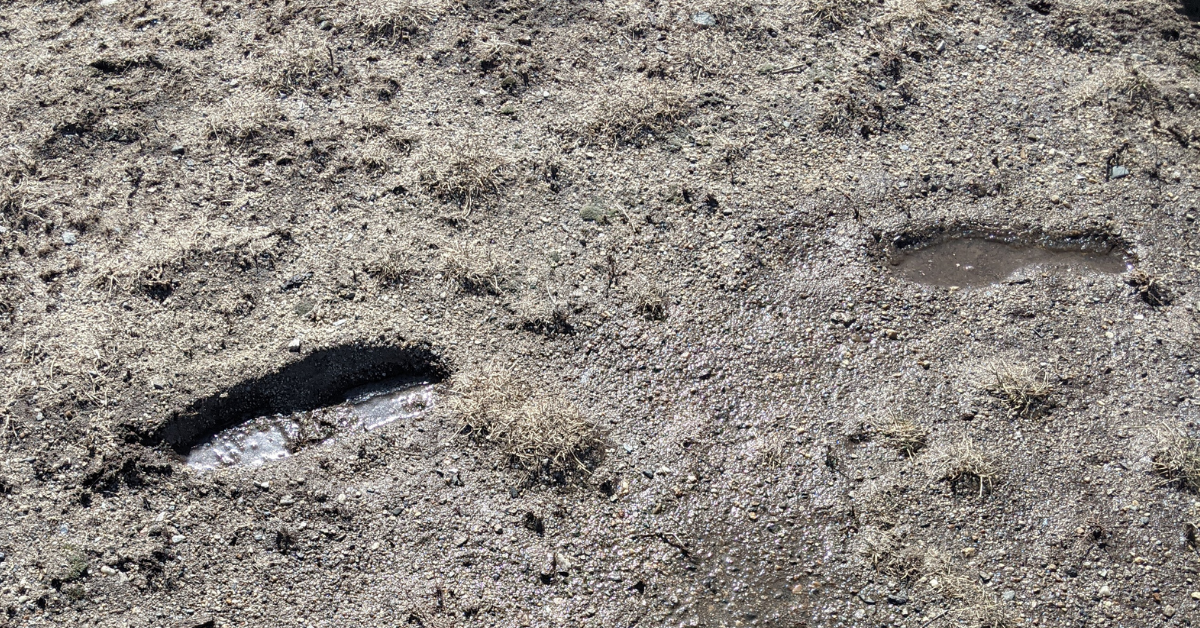
photo of boot imprints in mud

It’s the season to get your boots dirty! How can you recreate responsibly and help protect our trails during mud season?

 1. Wait until trail surface has firmed up. Do more by doing less! Activities like running, biking, and ATV use have a higher impact during mud season. Tires sink into the mud, leaving deep ruts and causing water to pool up. Running impacts the trail more than walking because of the force of your body’s weight coming down on the trail. When the ground is wet, go for lower impact activities.

2. Walk single file and in the middle of the trail. Bring footwear to match trail conditions. Stick to rocks whenever possible and go through, not around around, muddy sections to help preserve the natural environment of the trail. Going around muddy areas widens the trail, causes erosion, and negatively impacts roots and vegetation. So, have fun and get muddy!

3. Get involved! Become a Trail Adopter or attend a Community Work Day. The best and most needed time to get out and start caring for trails is in the spring. Clean up downed branches and trees and clear out drainages so that water moves more quickly and effectively off trail. Learn about volunteer opportunities at Mount A.

Our actions matter! Learn more about Leave no Trace (external link opens in a new tab). 
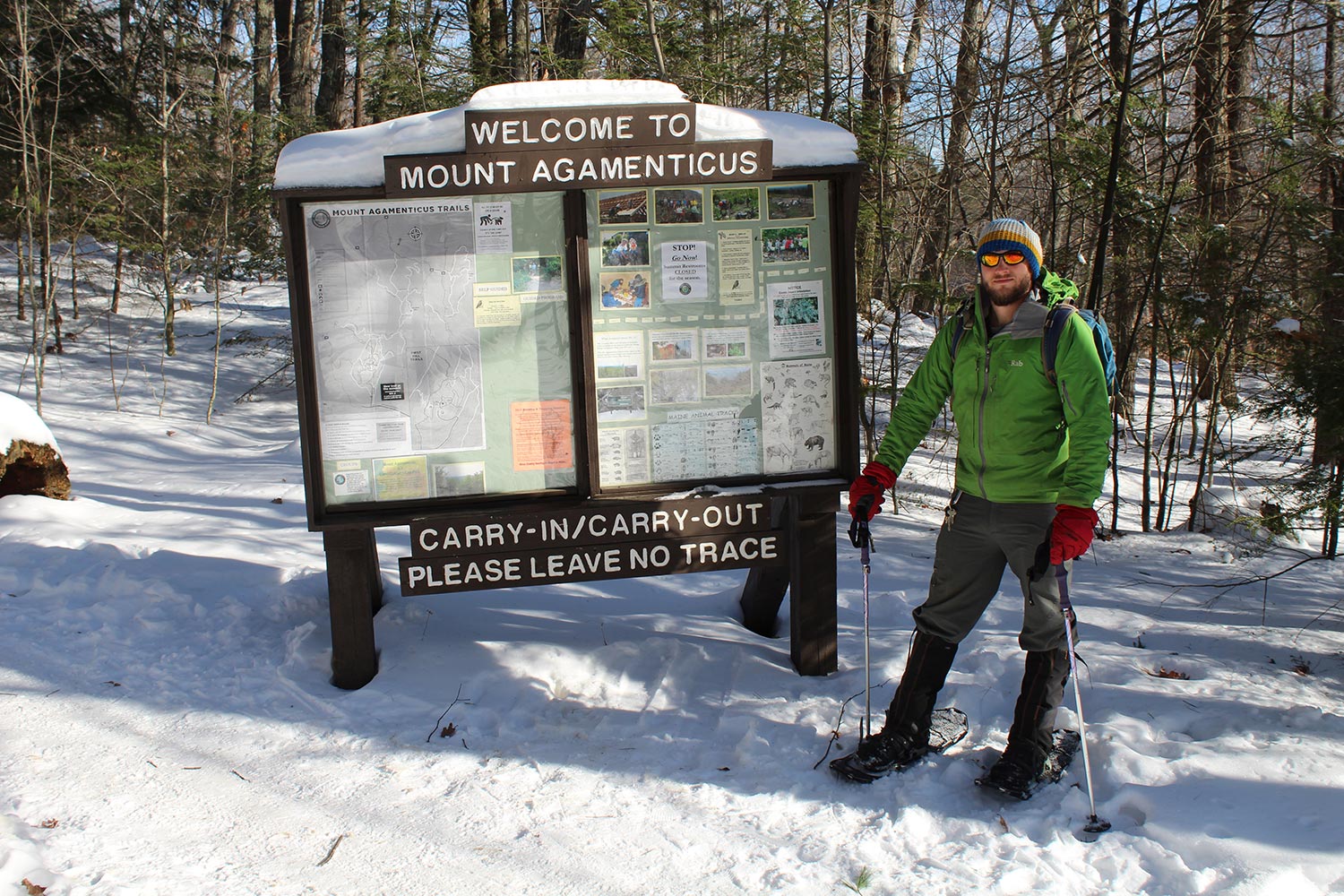
A Beginner’s Guide to Hiking Mount A This Winter

This article was written by former Trails, Grounds and Facilities Supervisor, Darin Radatz, and first appeared in the Winter 2018 Summit View. For past editions of the Summit View, click here

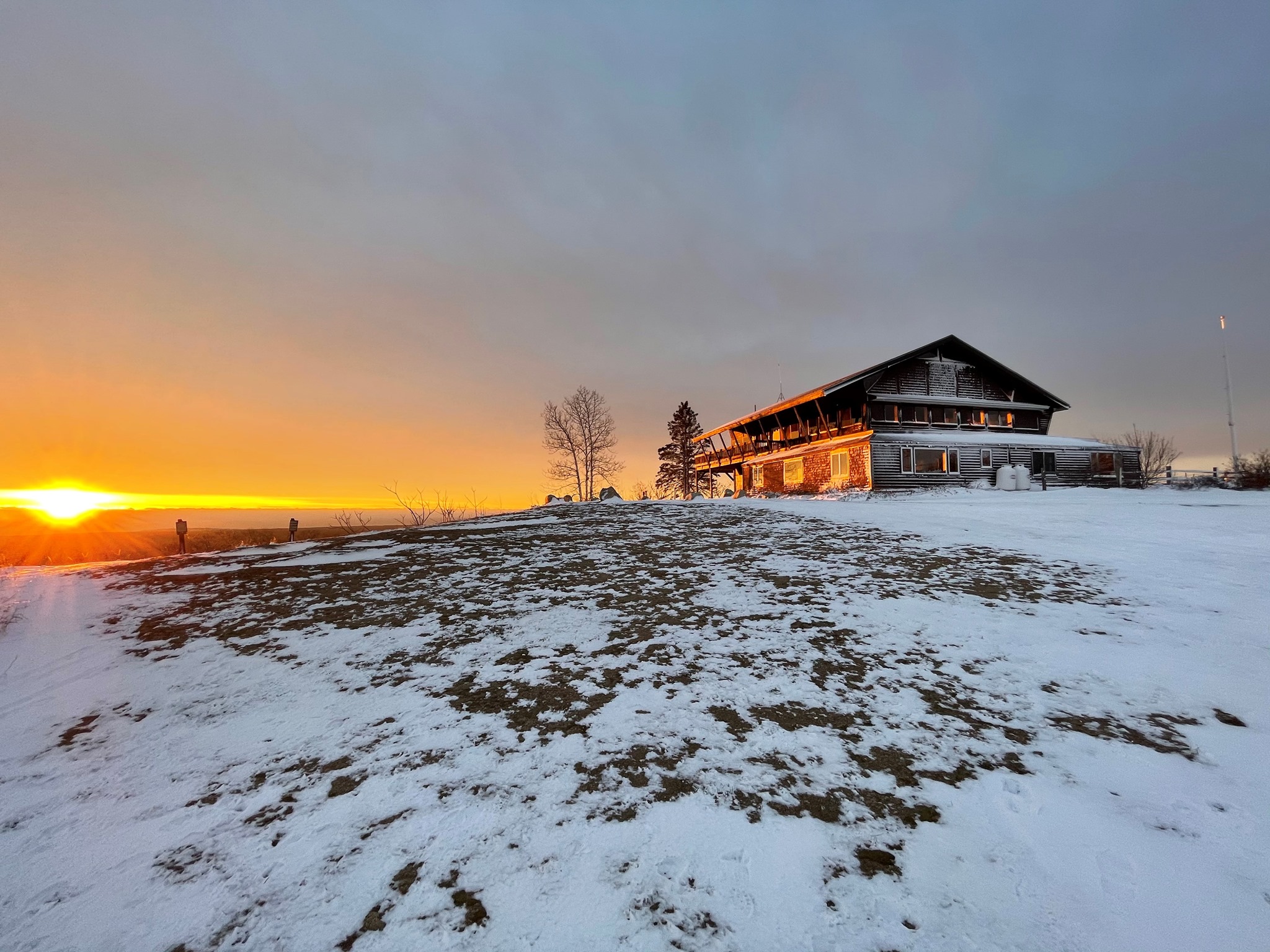
The snow, ice and cold of winter have arrived but that does not mean the hiking season has to be over. With planning and proper preparation, a winter hike can be a safe and enjoyable experience. Please keep the following in mind when planning an outing:

Check the Weather – Look specifically for precipitation, wind speed and daylight hours.

Start Small and Start Early – Be reasonable about the distance and difficulty of the trail. While it may be easy to hike 10 miles in summertime conditions, you may run into ice or deep snow on the same trail in the winter.

Safety Gear – Put these in your backpack:

  • 1st Aid Kit
  • Trail Map
  • Compass
  • Multi-Tool
  • Hand Warmers
  • Full Water Bottle
  • Granola Bars
  • Headlamp

Crampons or Snowshoes – For icy trails such as Sweet-fern and Vulture’s View, use crampons, which are a traction device that is attached to footwear to improve mobility. For snow over 4 inches, use snowshoes which distribute weight so you don’t sink in the snow.

Buddy System – Hike with a friend and make sure to tell another of your hiking plans. Remember to also let them know when you have returned from the trail safely.

Wintertime Navigation – Use Trail Blazes, which are the rectangular paint markers found on the trees on the trail route. The trail map will indicate the blaze color of the path you choose. Distance between blazes varies, however if you have gone as much as a quarter mile without seeing a blaze, STOP. Retrace your steps back to find the last blaze. After a new snow, or on more remote trails within the management area you may find that trail blazes are the only way to be certain you are on the correct path.

Hot Tea or Cocoa – Having an insulated thermos of a hot drink will warm you up and provide a nice break!

Don’t Forget – The Mount Agamenticus park and trails are open year round, dawn to dusk. Summit access road gate hours from October through March are 7am-sunset. Weather conditions may cause temporary road closure!

Happy trails and be safe!


What’s in a Name?

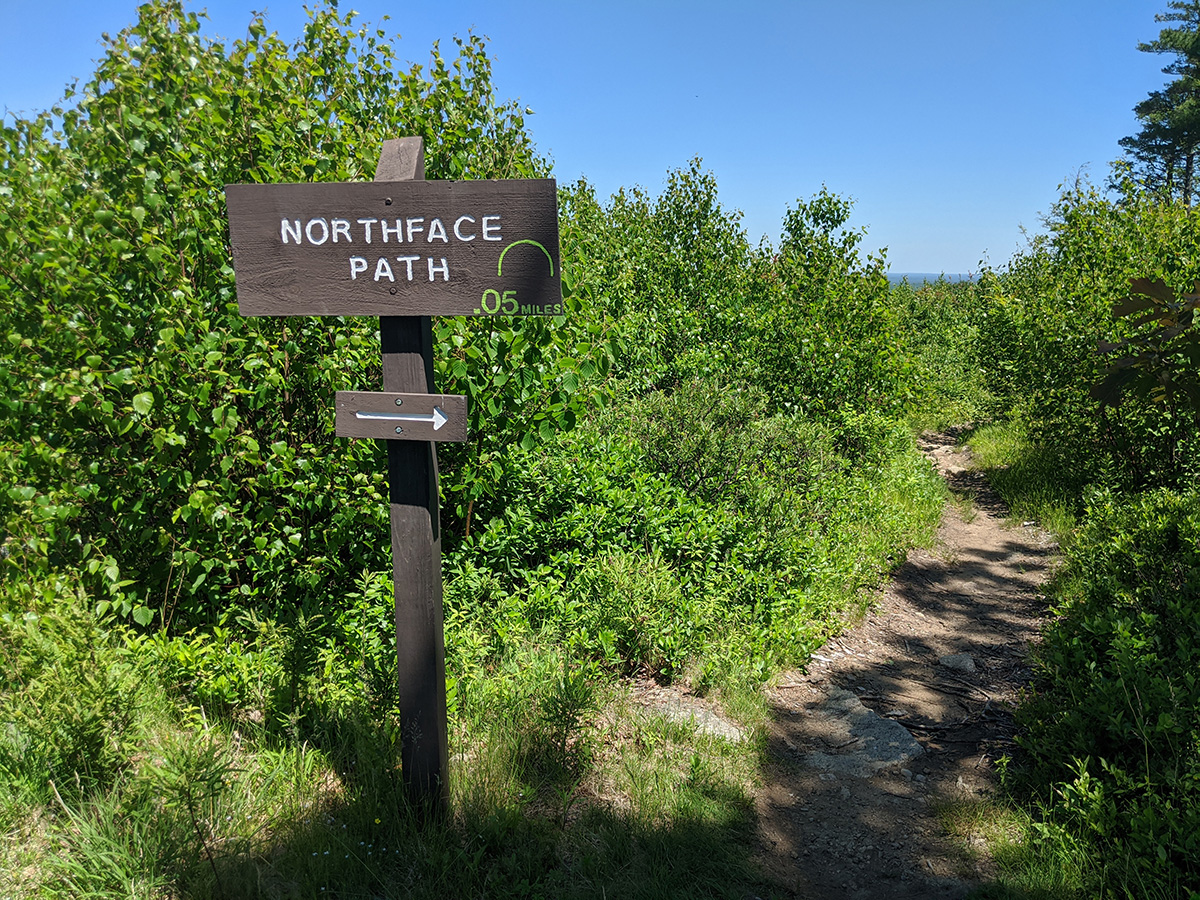
Many of the trails here at Mount Agamenticus are named for well-known plant or animal species (like Cedar, Bobcat, Goosefoot, Porcupine). Others are named for physical features. Ring Trail, for example, is called Ring because (and you may have guessed) the trail makes a ring around First Hill. Another: Northface Path is on the northern face of the summit.

Okay, so, what’s a Darter? The Swamp Darter is one of Maine’s smallest freshwater fish and, at the northernmost limit of its range here in the state, is considered a Threatened species. It is known to be found in only three locations in Maine, all right here in southern York county: the York River, the Great Works River, and the Neddick River drainages. Chase’s Pond, Folly Pond, Chicks Brook, Boulter Pond, and Hooper’s Brook are all within these drainages. You can read more about the Swamp Darter here (outside PDF opens in new tab), at the Maine Department of Inland Fisheries and Wildlife website!

Check us out on Instagram or Facebook to follow along later this month, when we’ll be highlighting our trails named for plant and animal species! Follow the hashtag #TrailSpotlight.

The Newest Summit View is Here!

The latest addition of the Friends of Mount Agamenticus newsletter, the Summit View, is hot off the presses!

Remote collaboration isn’t new to the Friends, especially when it comes to putting together this seasonal newsletter, but it’s safe to say that we all miss meeting in person. We hope you are safe and well, and that this transition from Summer to Fall, and everything the new season brings with it, goes as smoothly as possible. You can read the newest issue by clicking here. PDF will open in a new tab.